Atharvix Blog · 19 posts
Insights & ideas
Engineering notes from the agentic frontier — lifecycle, security, observability, and what actually breaks in production.
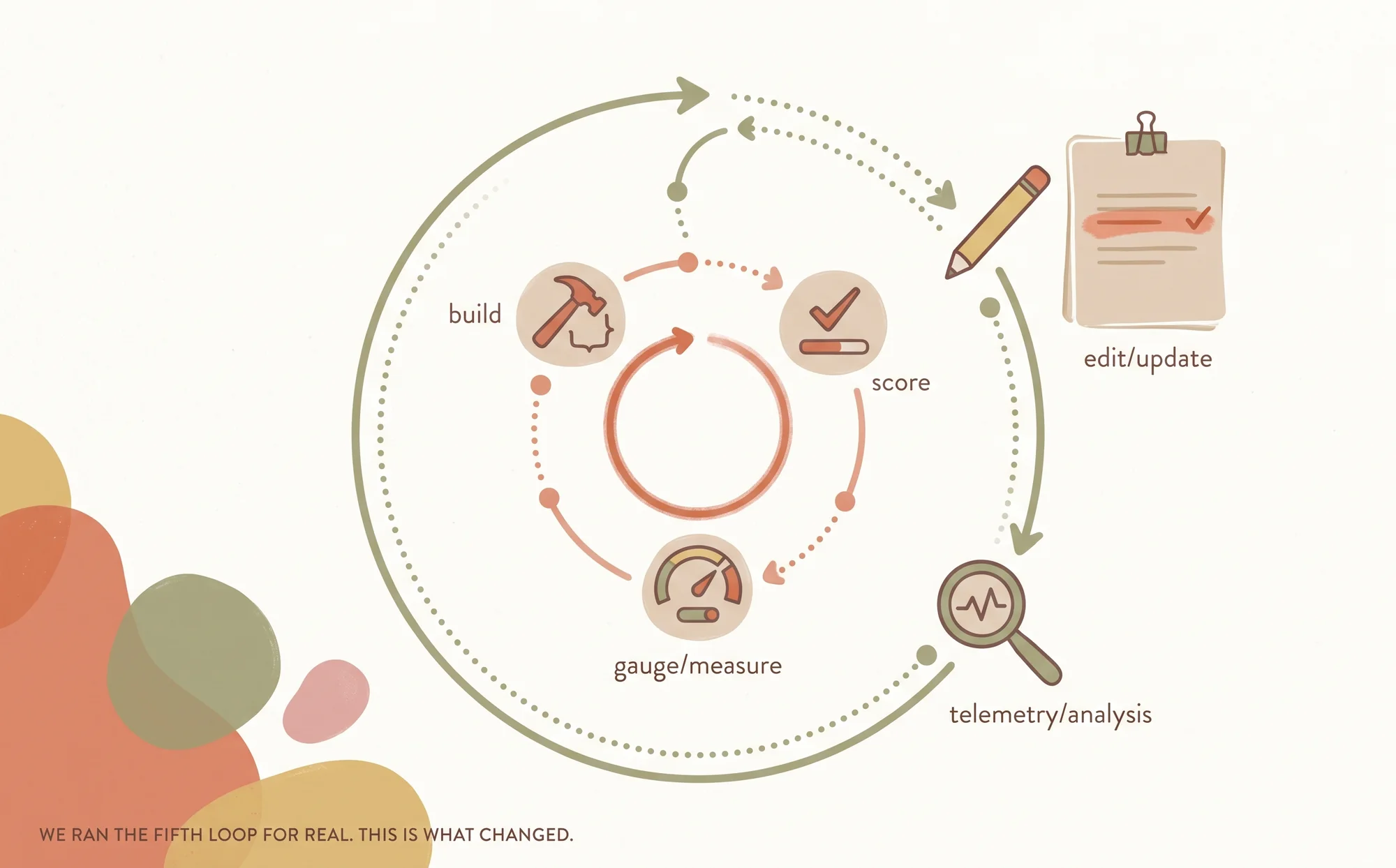
We ran the fifth loop for real. This is what changed
Last time we described the optimization loop: an agent that improves your development process instead of your code. This is the field report. Five iterations, four playbook edits, two proven wins, two labeled unproven, and a quality score that never dipped. Plus the same pattern applied to three areas that have nothing to do with shipping software.
Read the article →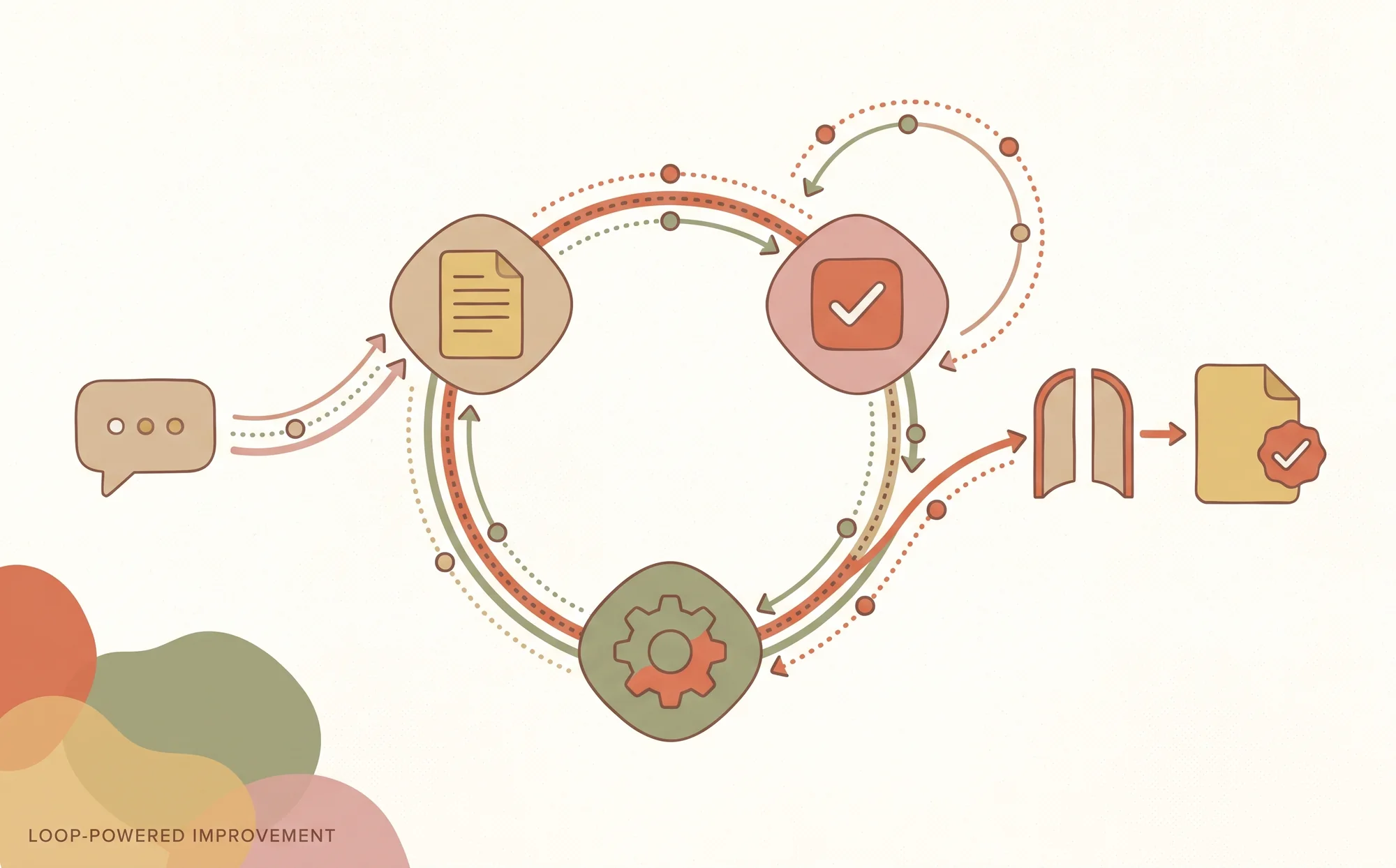
There's a shift in how people work with Claude Code: instead of prompting once and hoping, you give an agent a stop condition and let it loop until the condition holds. Here are the four loop types (turn, goal, time, and proactive), made concrete with real engineering tasks, plus a fifth: the optimization loop that puts a loop around your development process itself so the way you build gets cheaper every cycle.
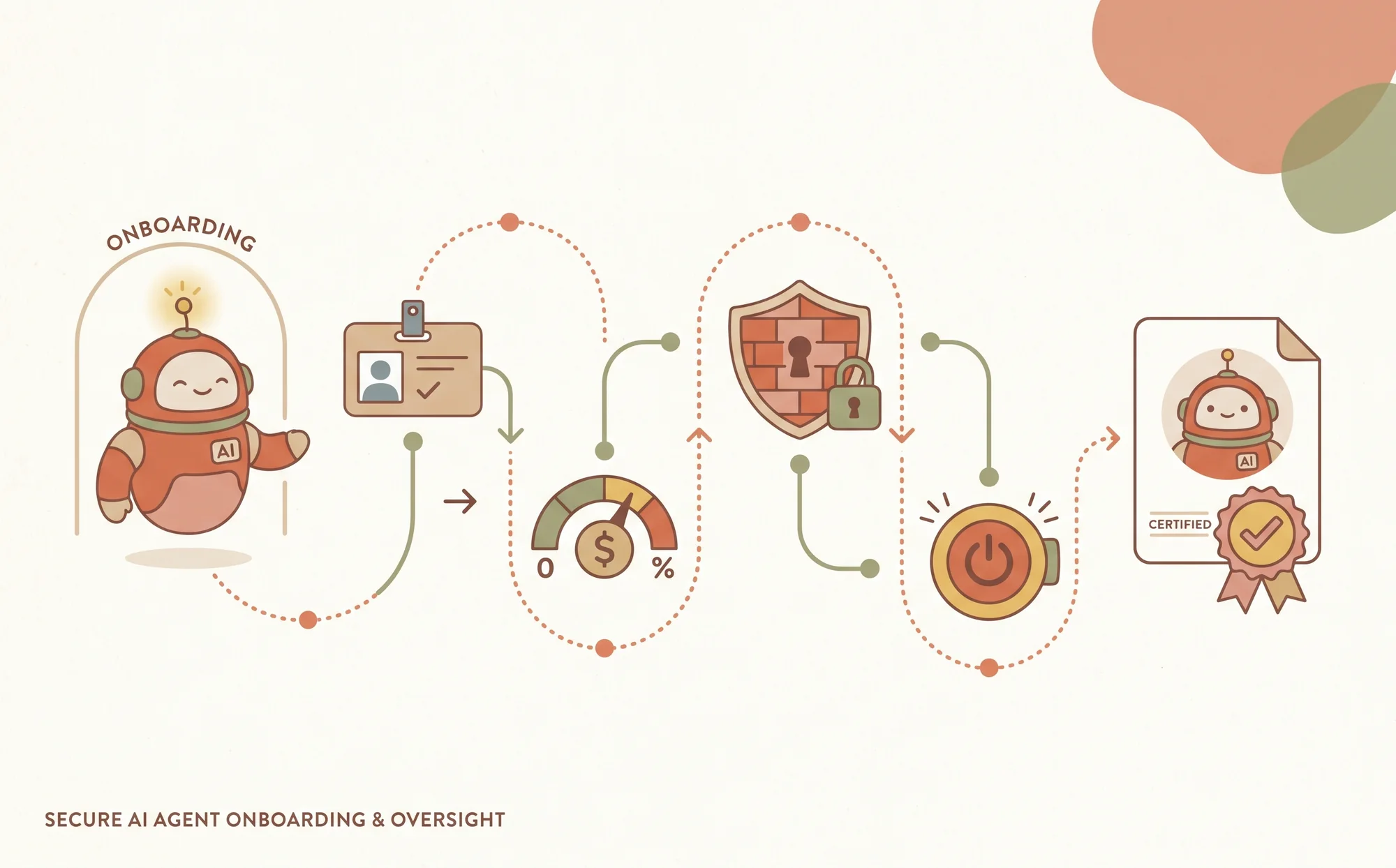
The threat model for agentic AI is autonomous identity, persistent memory, and tools that act. Agentic AI security looks less like application security and more like how you'd manage, budget, and contain an employee. Here are eight patterns most teams haven't built yet, each one answering a specific agentic threat.
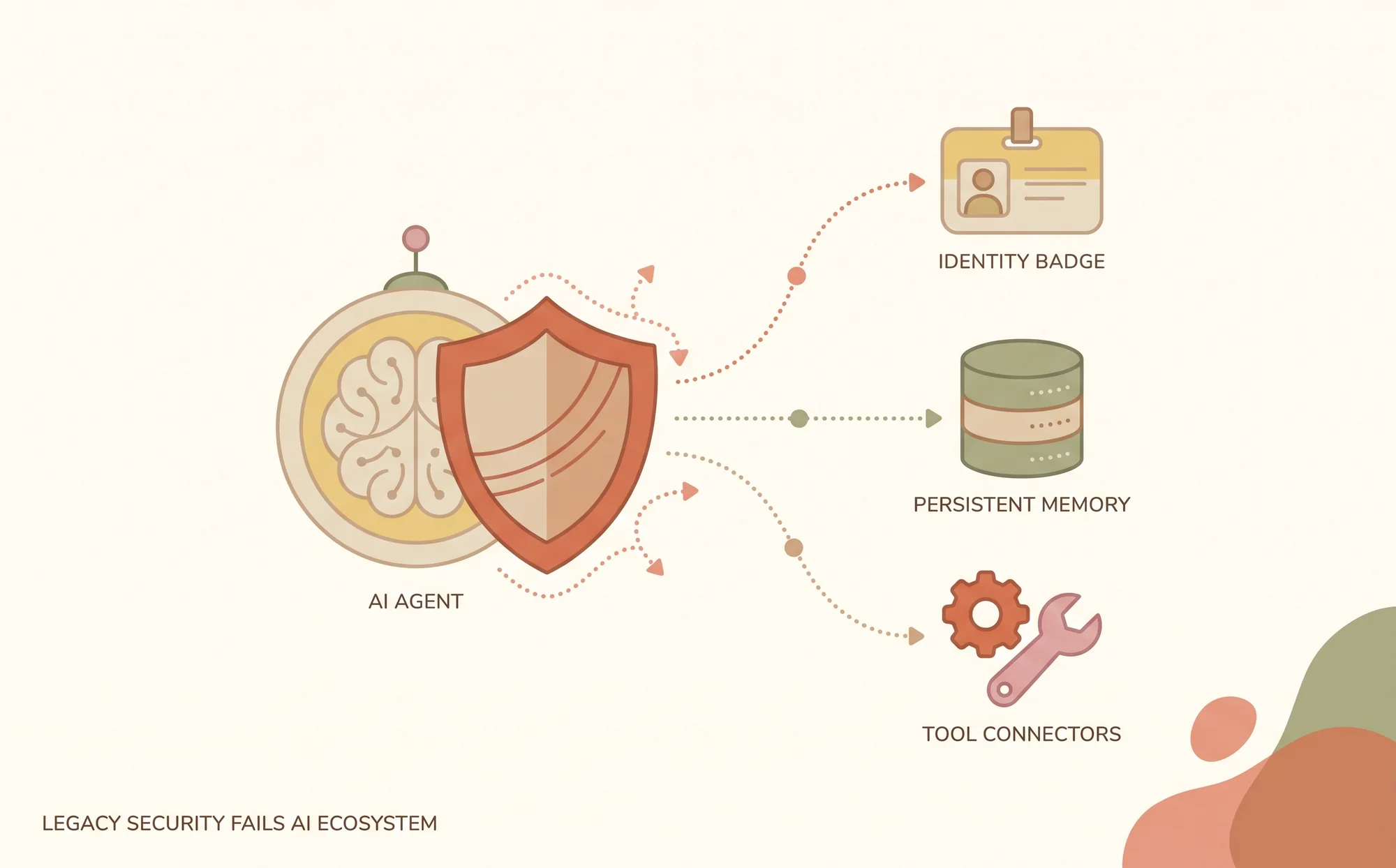
Most organizations approach agentic AI security with the controls they built for applications: RBAC, prompt filtering, encryption, human approvals. Those are table stakes now. Agentic systems open a new attack surface where the identity is autonomous, the memory is persistent, and the tools can act. Here's the threat model most security teams haven't drawn yet.
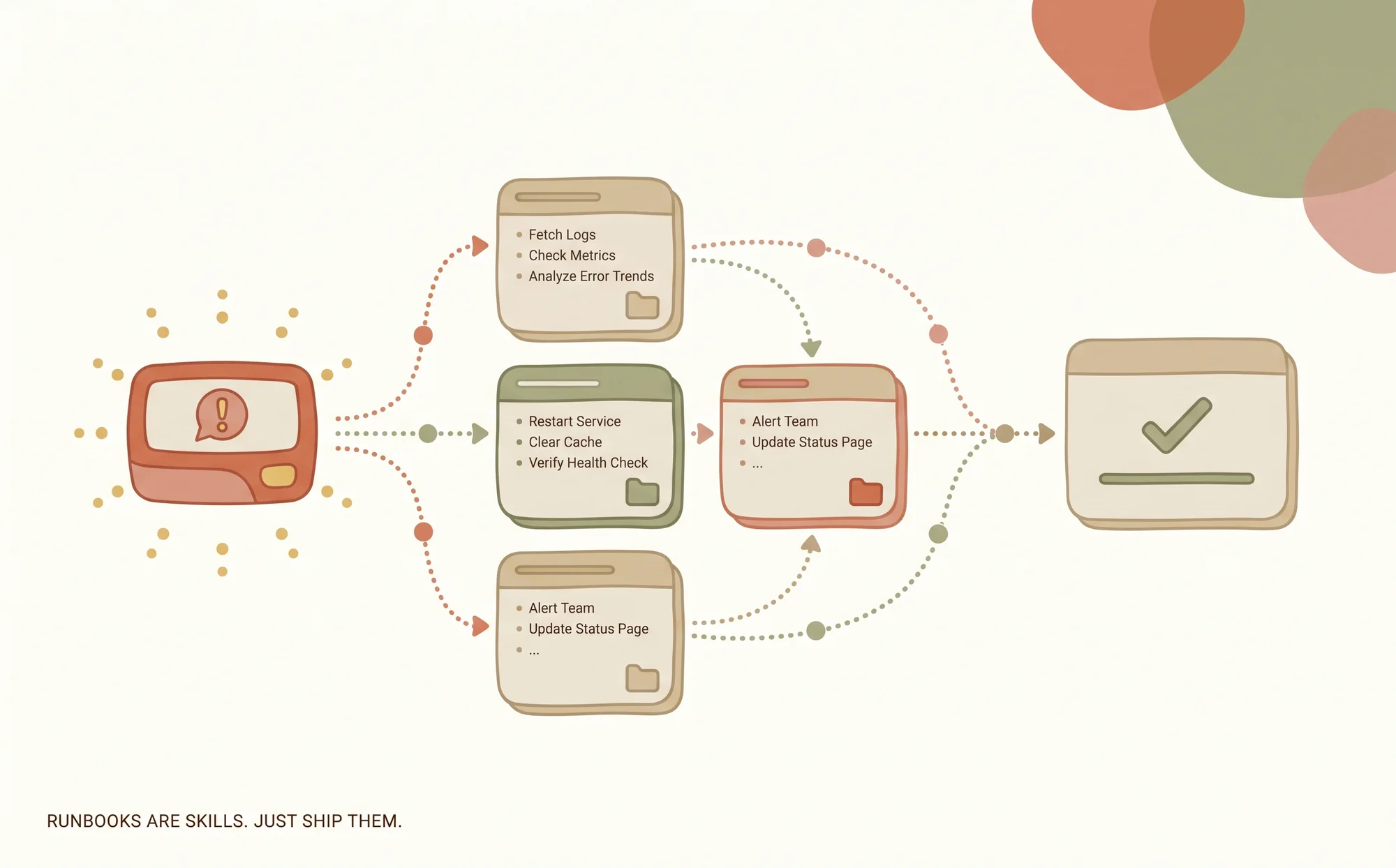
Every ops team has thousands of pages of runbooks gathering dust in Confluence. The AI-executable version of your operational knowledge has been here all along. You just haven't packaged it. Here's how runbook discipline becomes a Skills registry for production operations.
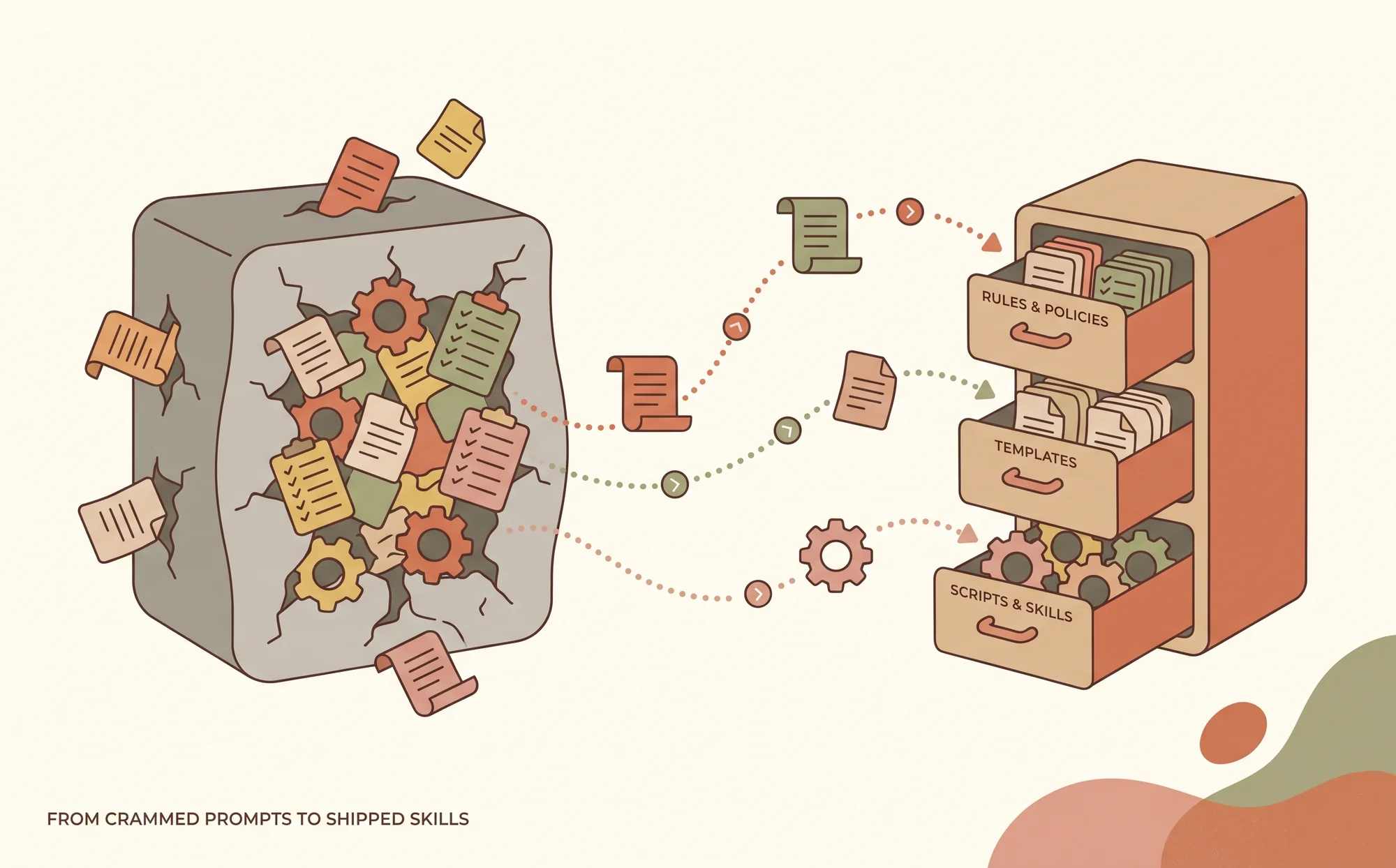
Claude's Agent Skills aren't just a coding assistant feature. The same three-part pattern — manifest, progressive disclosure, bundled context — maps directly onto how enterprise software should handle procedural knowledge. Here's what it looks like applied to CRM, ERP, and the regulated workflows in between.

Hand-written AI coding skills go stale the moment you ship them. Context7's Skill Wizard generates them from live documentation in about five minutes — here's why it matters for teams shipping production software with AI agents.
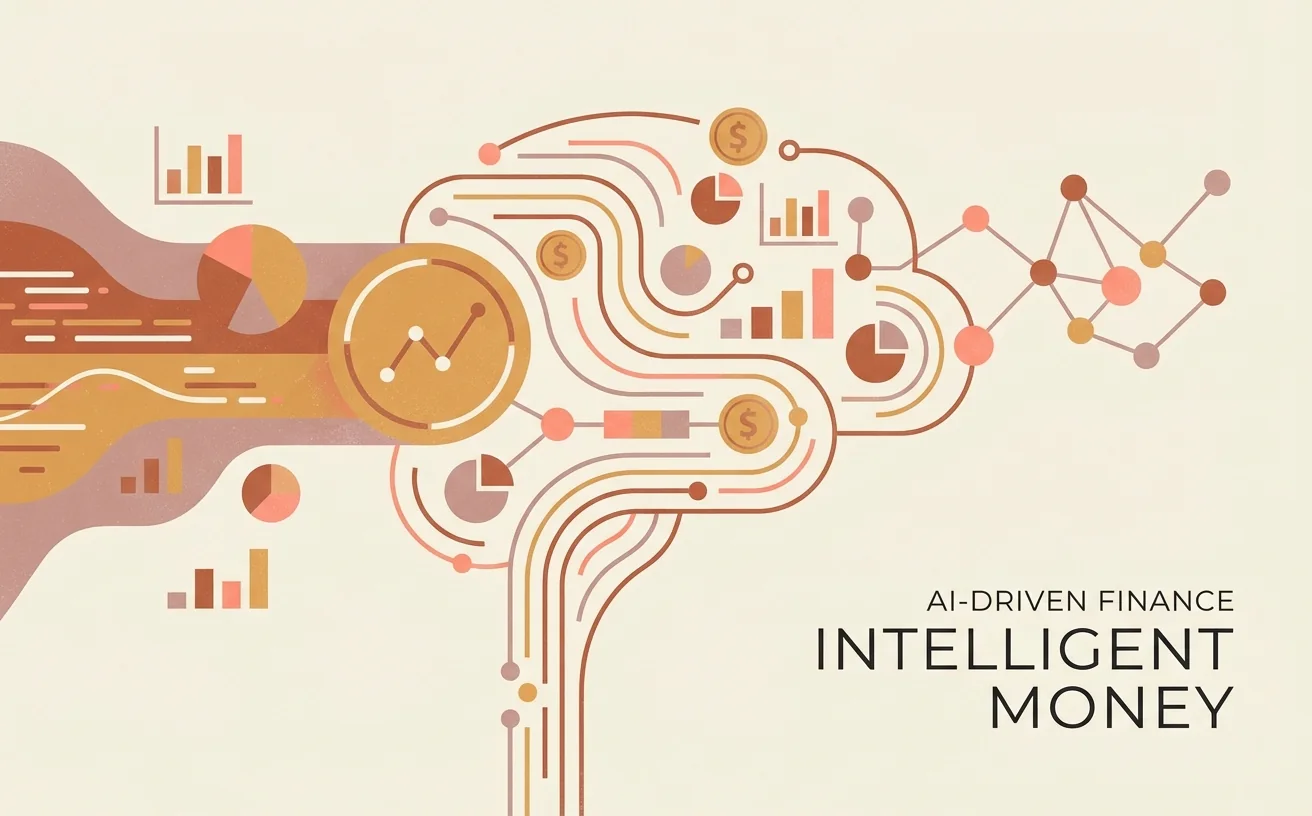
Discover how AI personal finance tools are transforming money management with automated budgeting, predictive insights, and personalized financial guidance accessible to everyone.
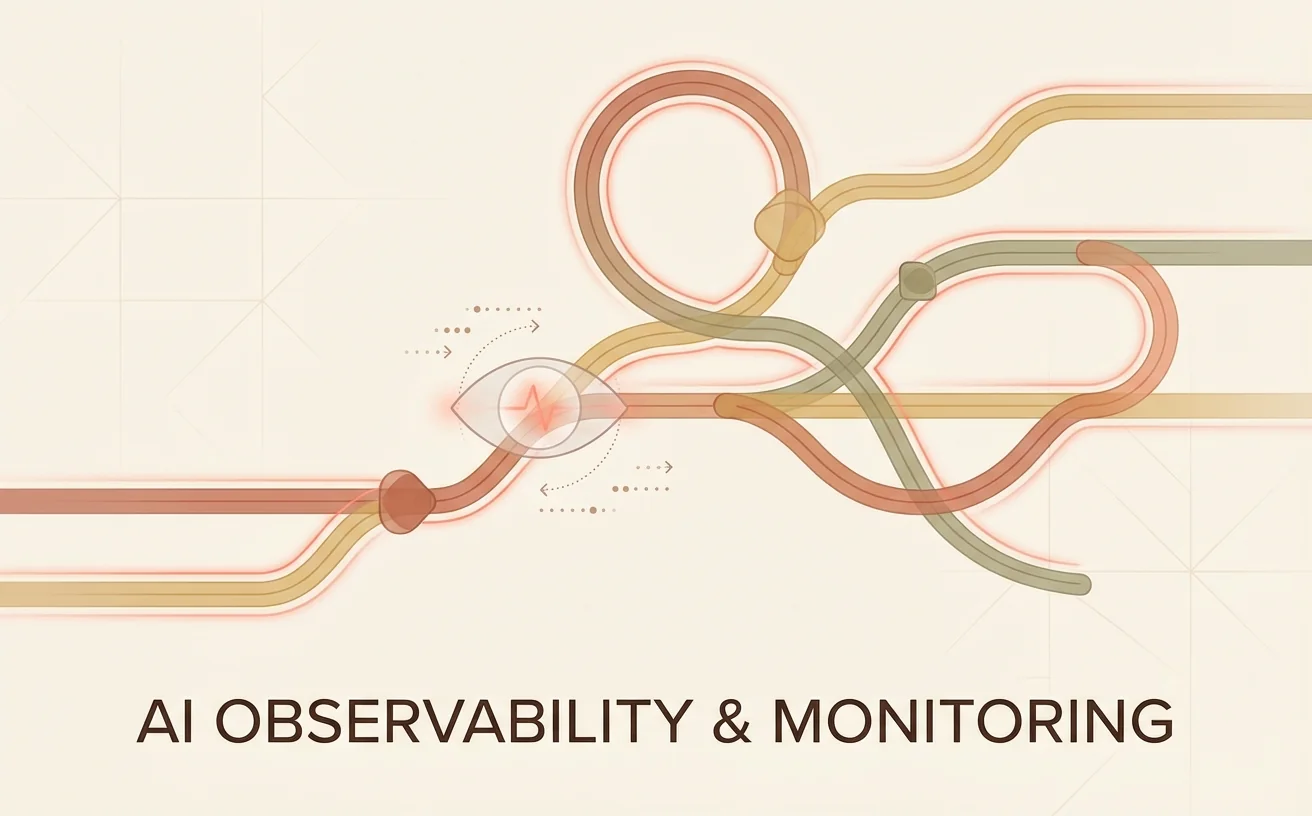
Traditional monitoring fails with autonomous AI. See how agentic AI observability helps SREs and DevOps teams trace AI agent reasoning chains to build reliable, high-performance systems.
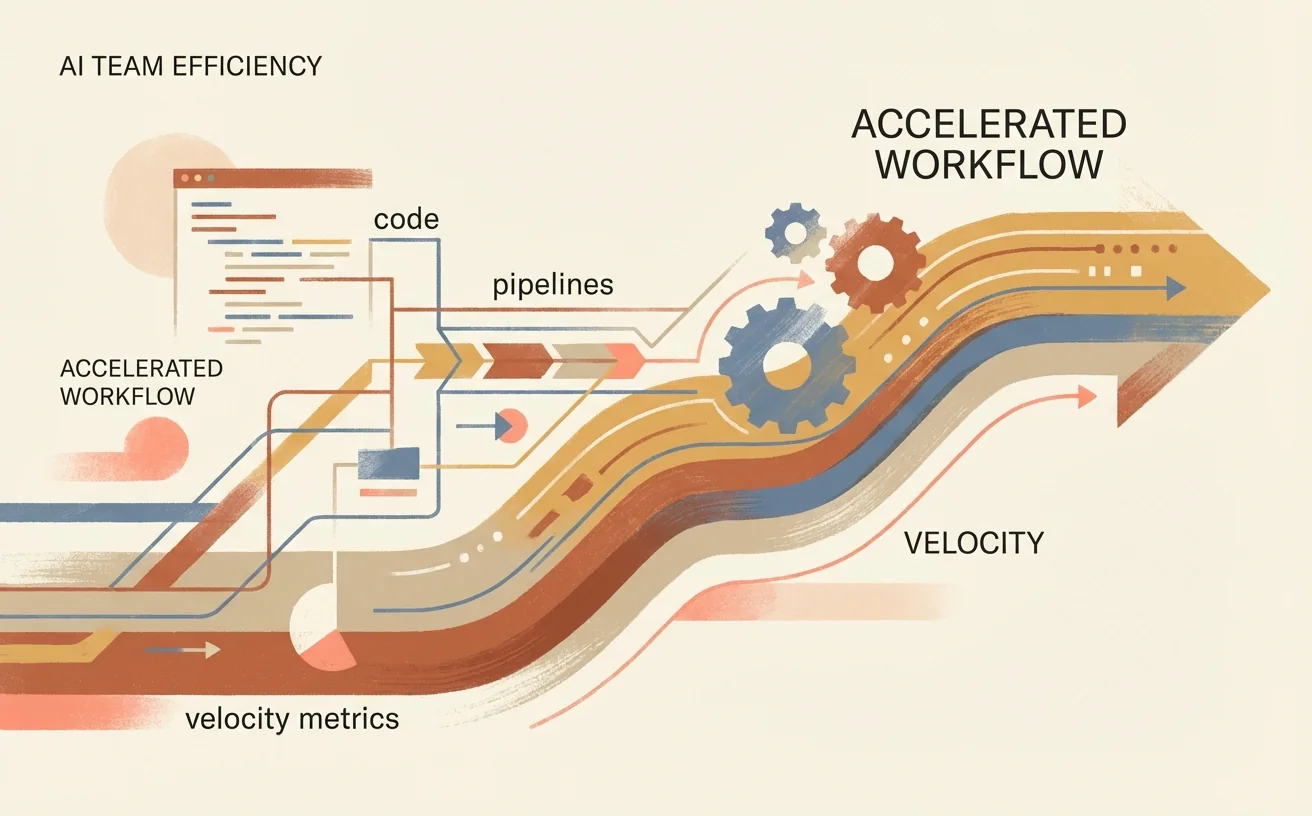
Discover practical strategies for integrating AI into software development to boost team efficiency, accelerate development speed, and achieve AI-driven quality improvement.
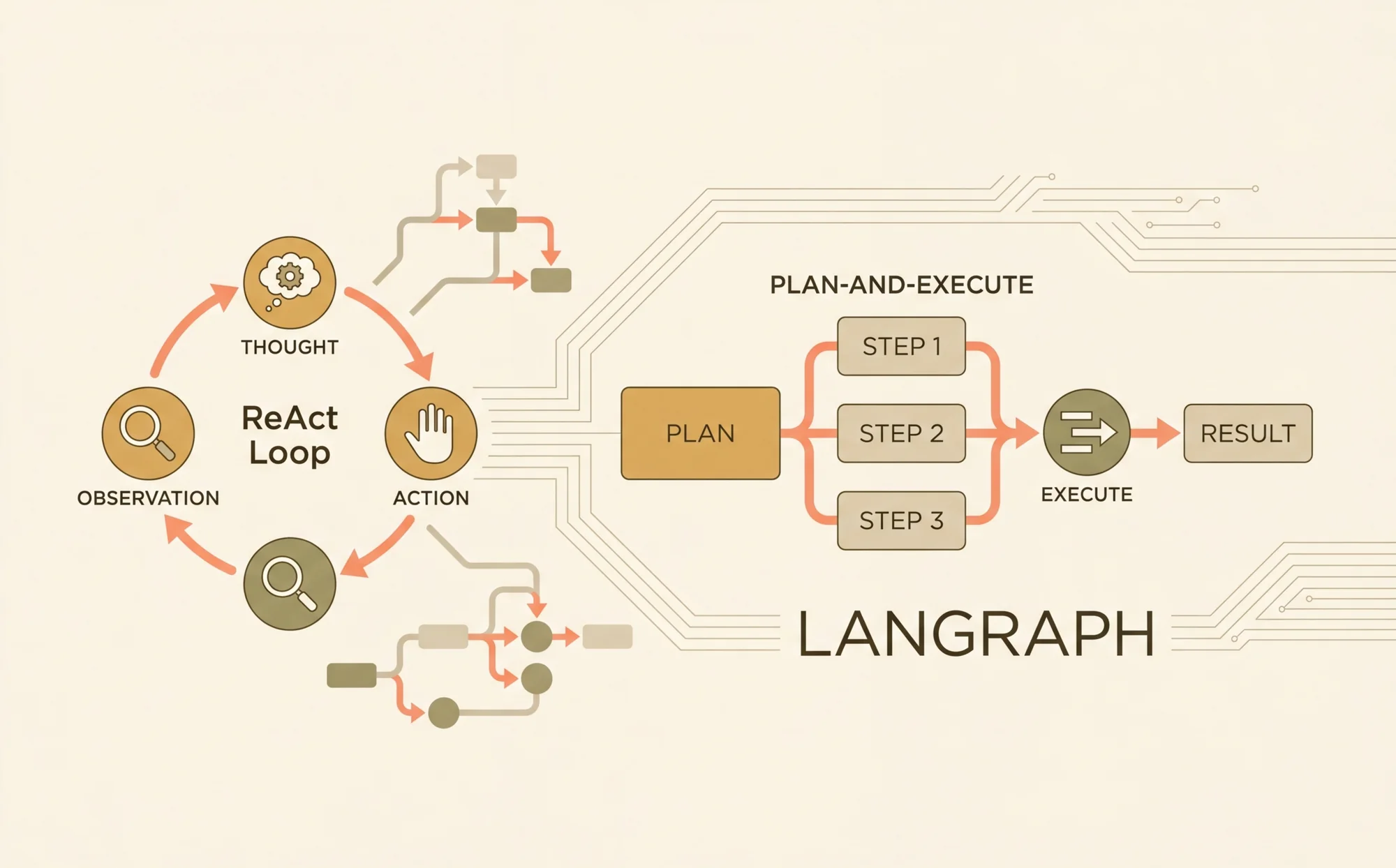
Explore two powerful agentic reasoning patterns - ReAct and Plan-and-Execute - with practical LangGraph implementations for building production-ready autonomous AI systems.
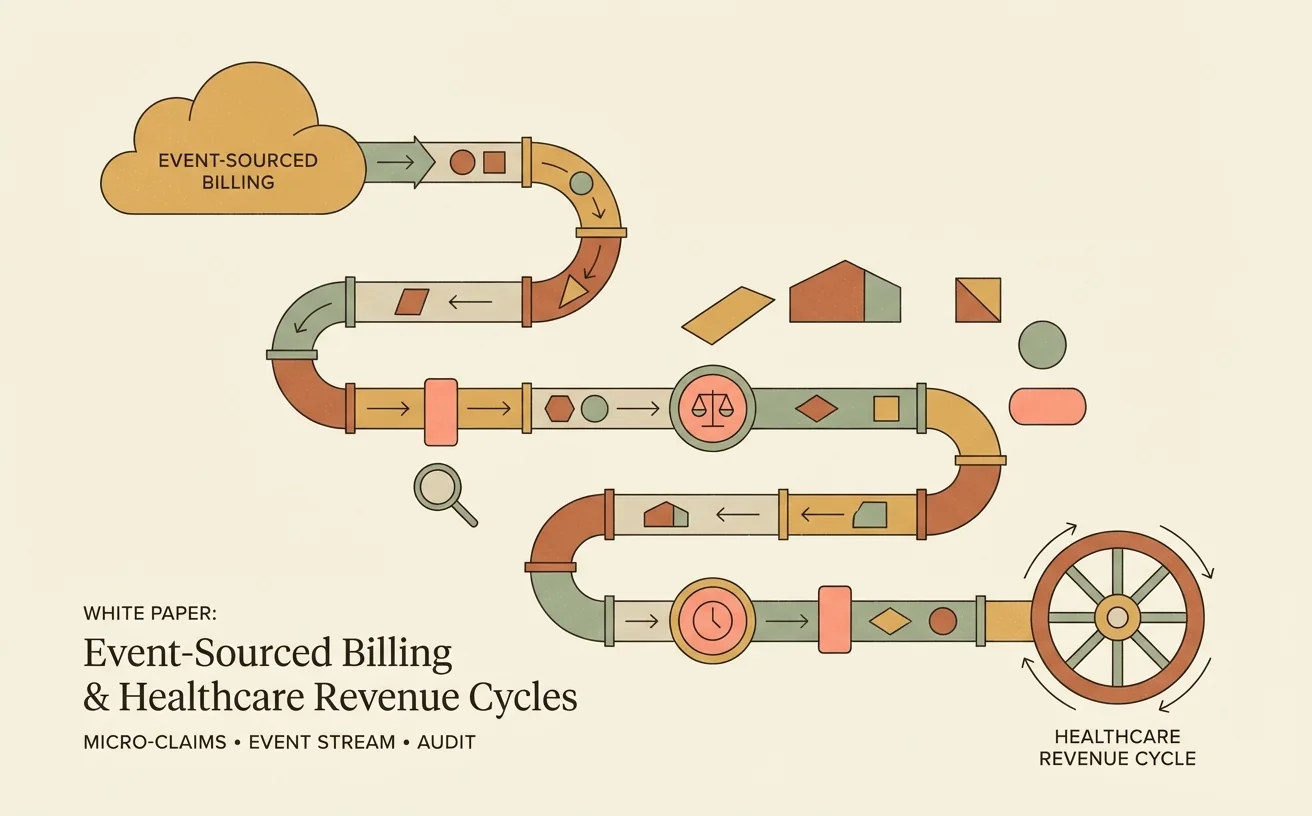
This white paper presents findings from a 16-month study demonstrating how event-sourced micro-claims architecture reduces claim denials by 68%, accelerates revenue cycles, and embeds native fraud detection.
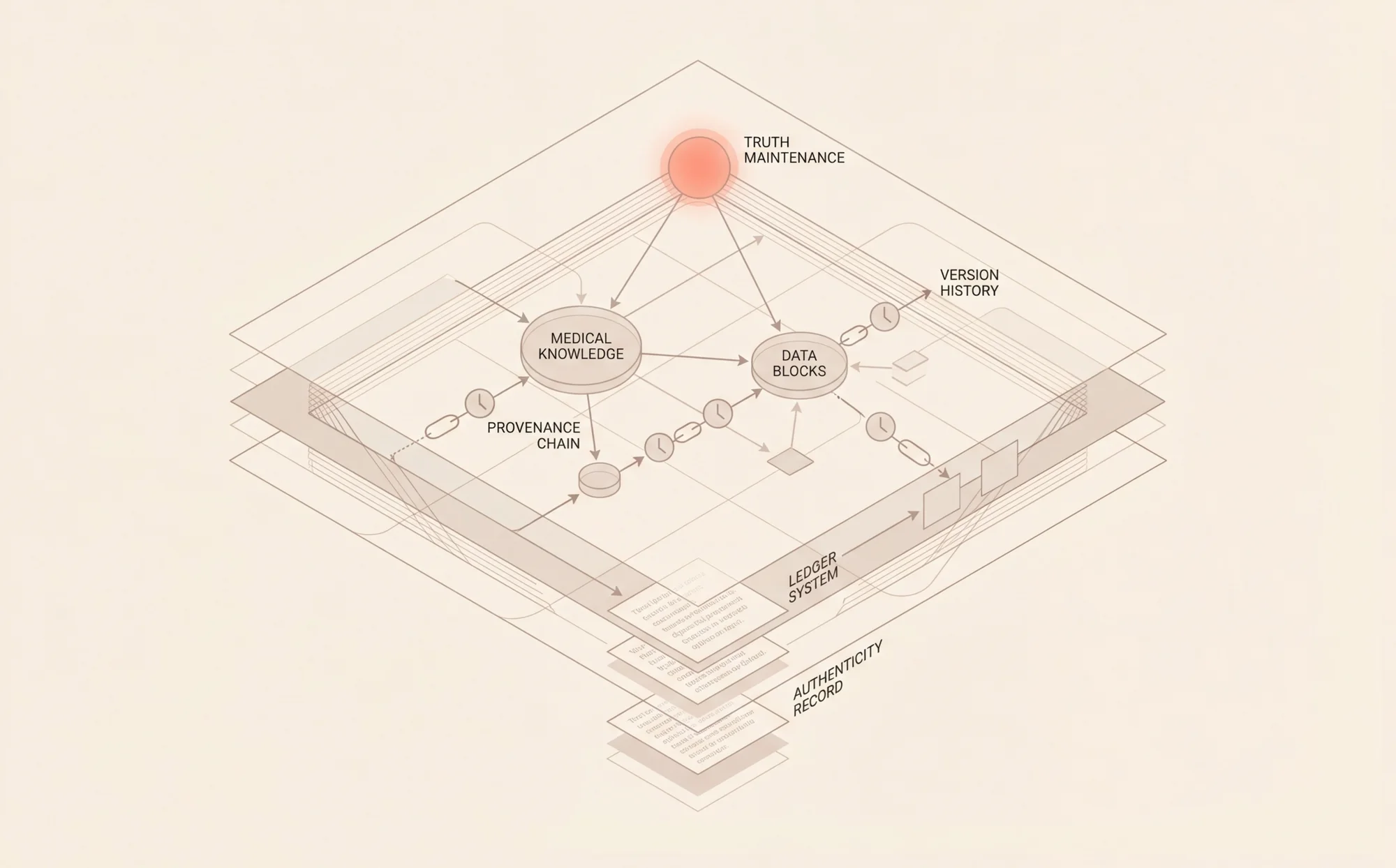
A technical deep dive into building a provenance-tracked memory system for healthcare AI agents, featuring truth maintenance, conflict resolution, and consent-aware revocation.
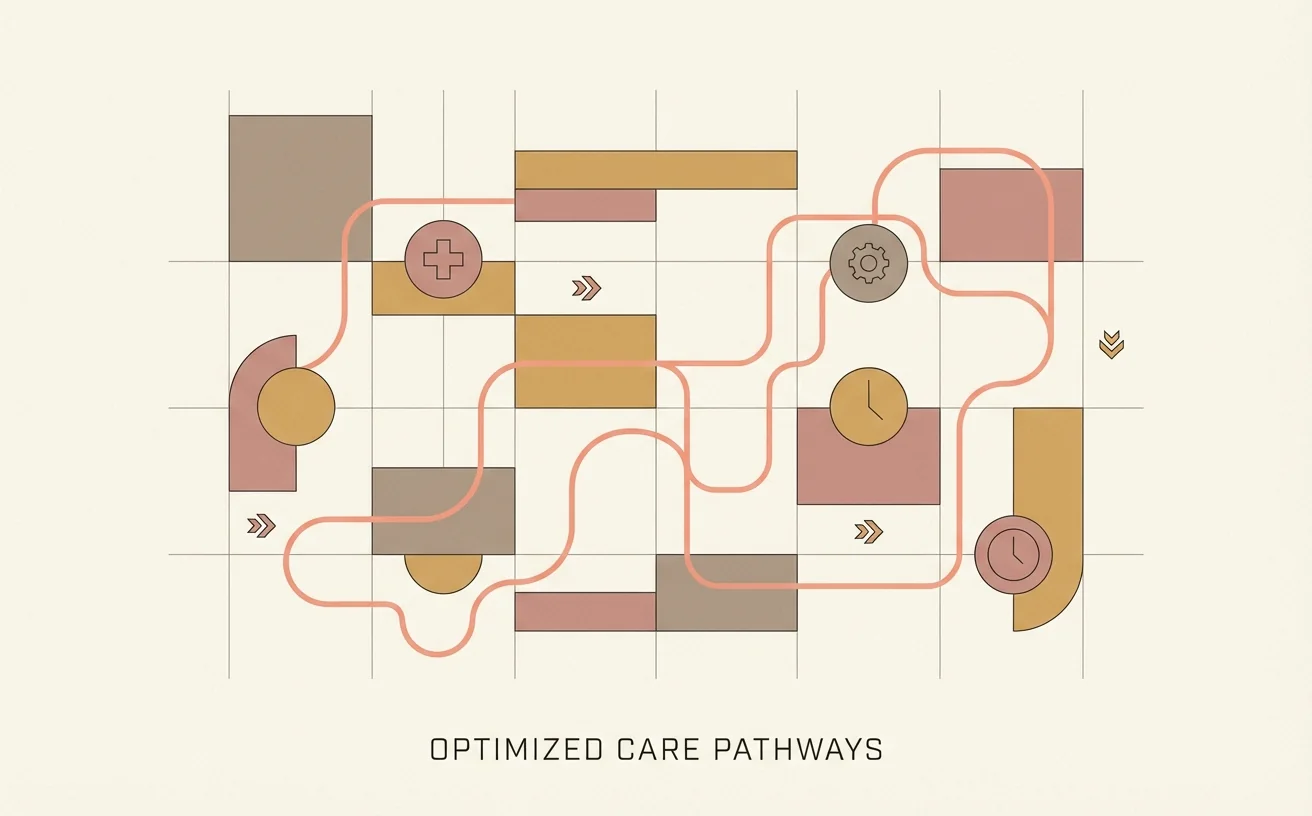
Build a capacity-aware care planning system using Google OR-Tools, LangGraph, Redis, and FHIR to optimize clinical scheduling and reduce care delays.
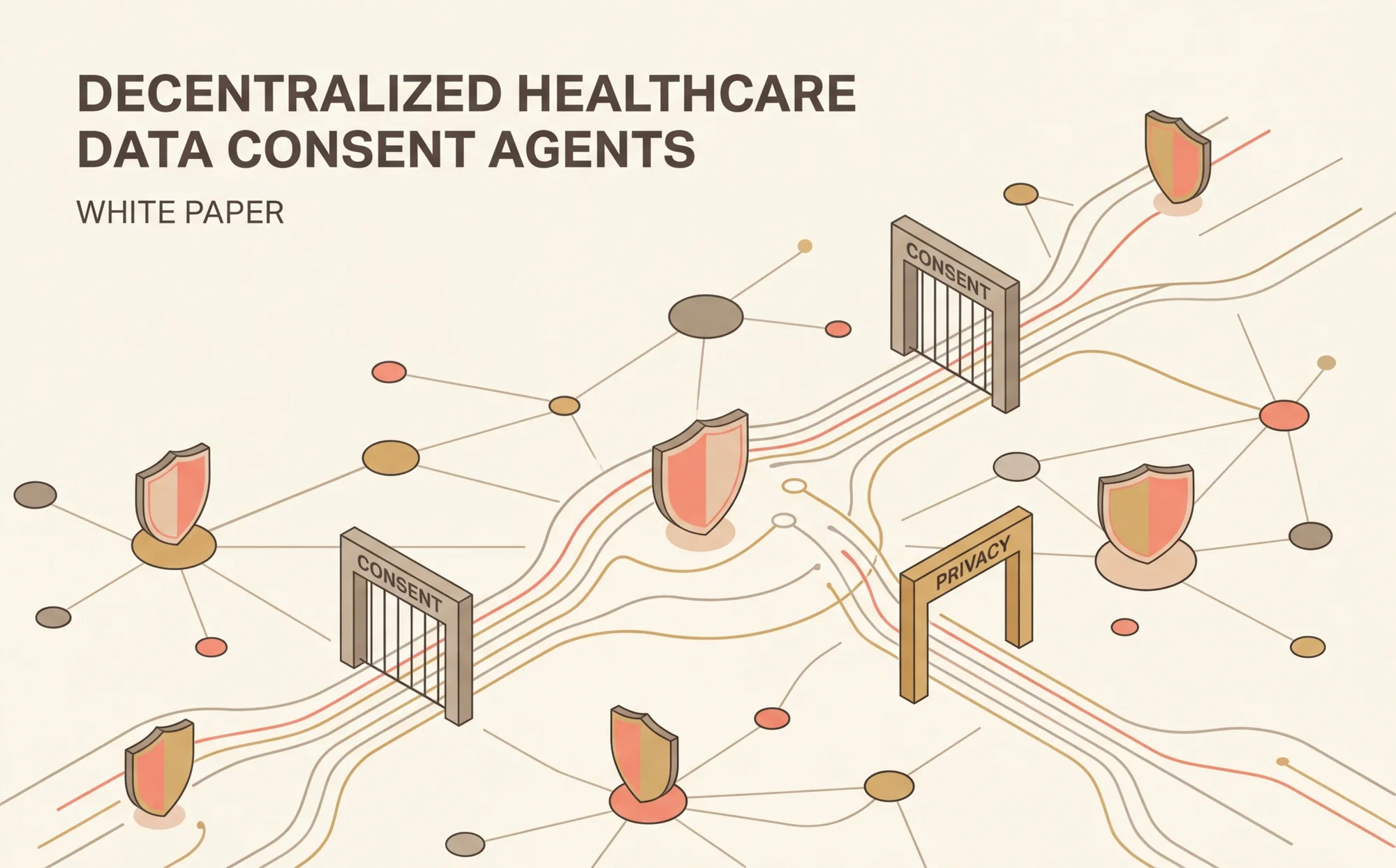
This white paper investigates how machine-readable, agent-enforced consent policies can replace static checkbox consent to ensure continuous, auditable, and granular data governance in healthcare.
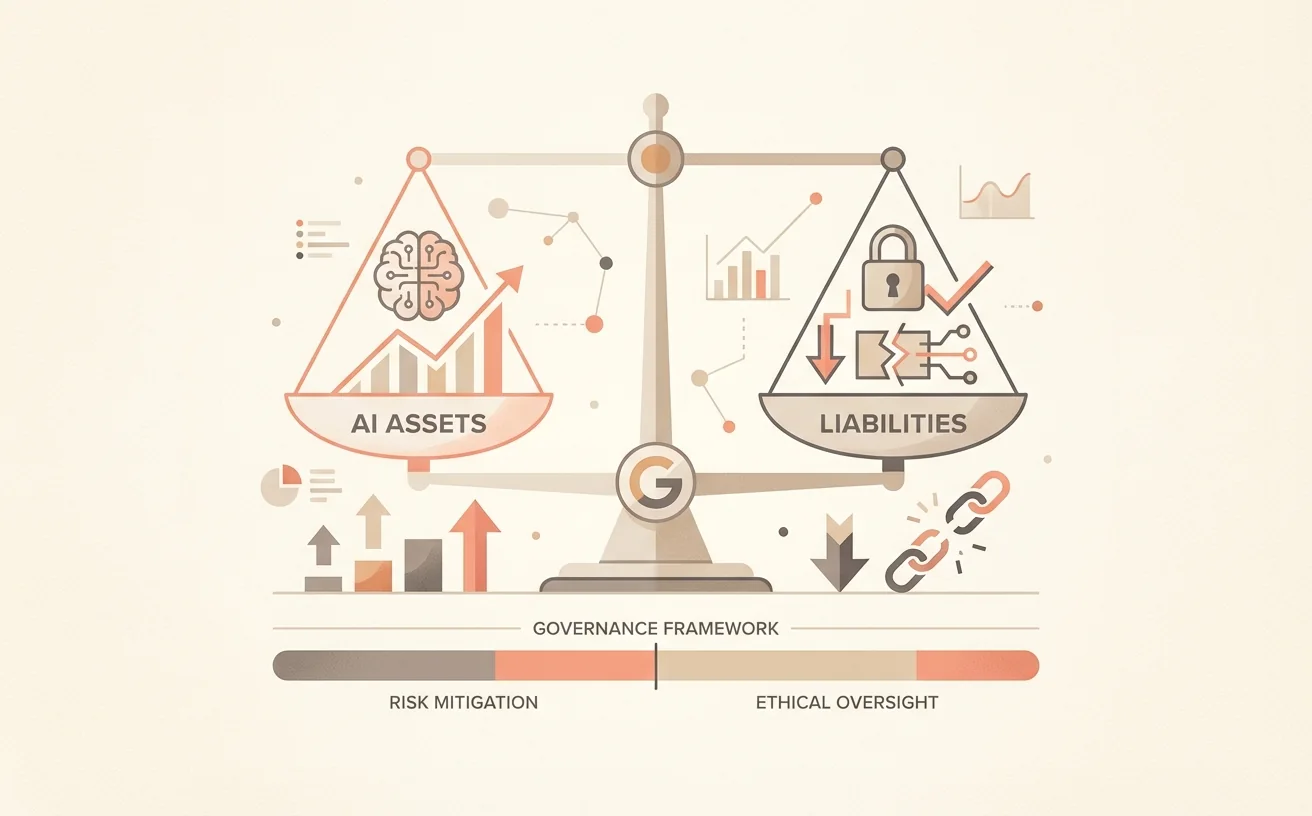
Discover why organizations need an AI Balance Sheet to track cognitive assets and liabilities, and learn a 3-step framework for implementing AI governance that prevents cognitive insolvency.
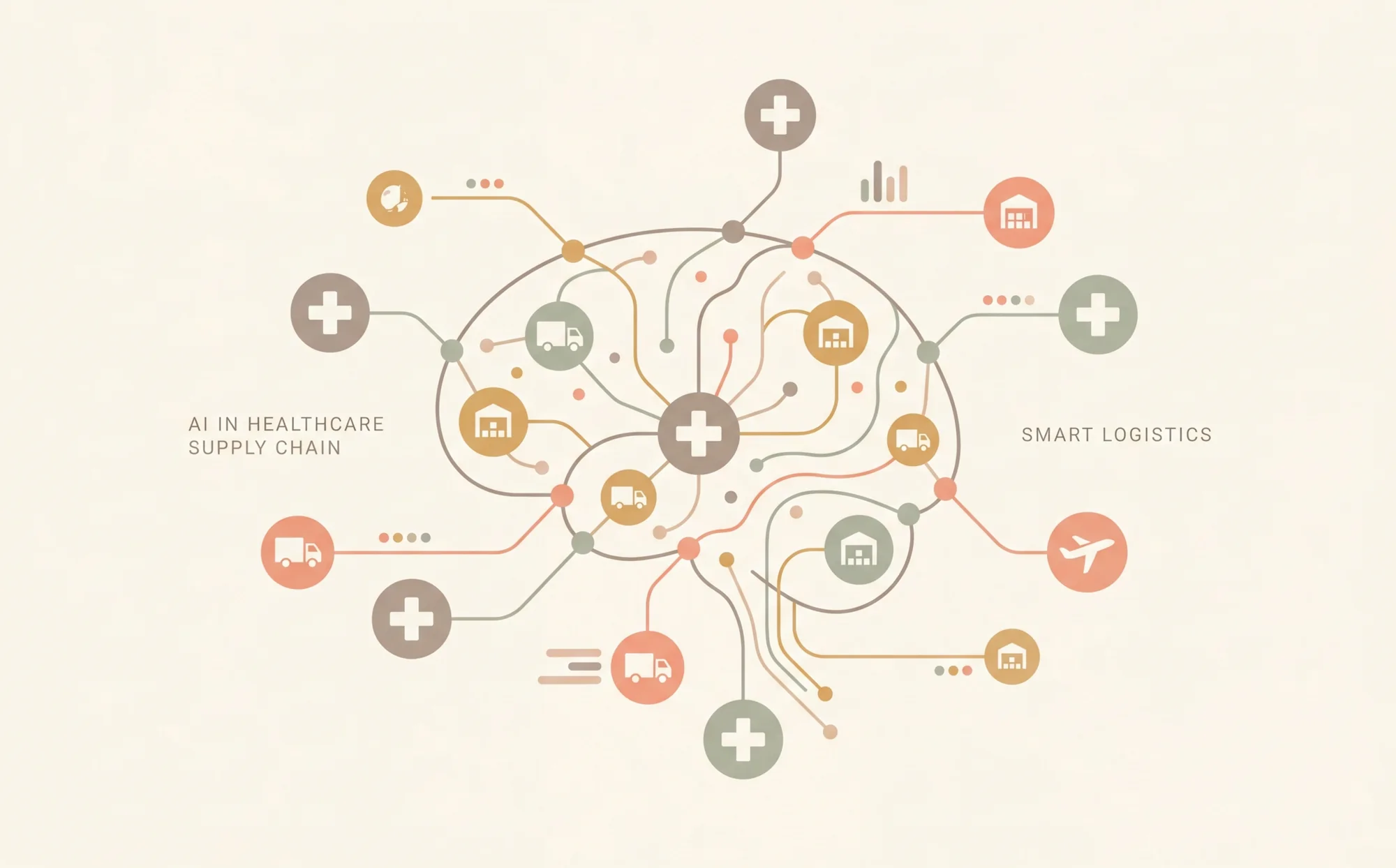
Discover the critical link between hospital inventory and patient outcomes. Learn how AI in healthcare supply chain is transforming logistics from a cost center into a clinical asset.
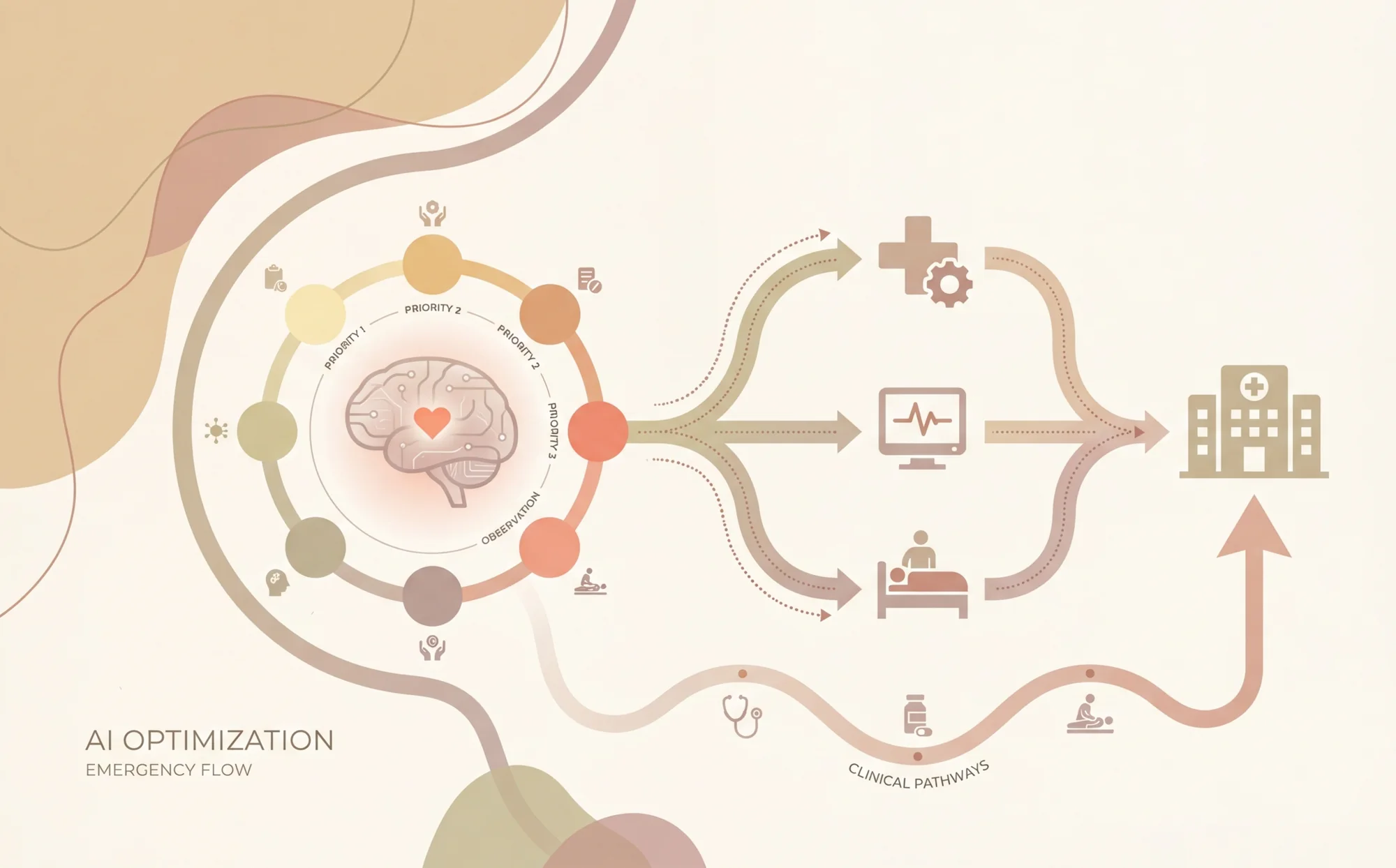
Explore how AI-powered triage systems are transforming emergency departments by reducing wait times, improving clinical accuracy, and optimizing patient flow across hospital networks.
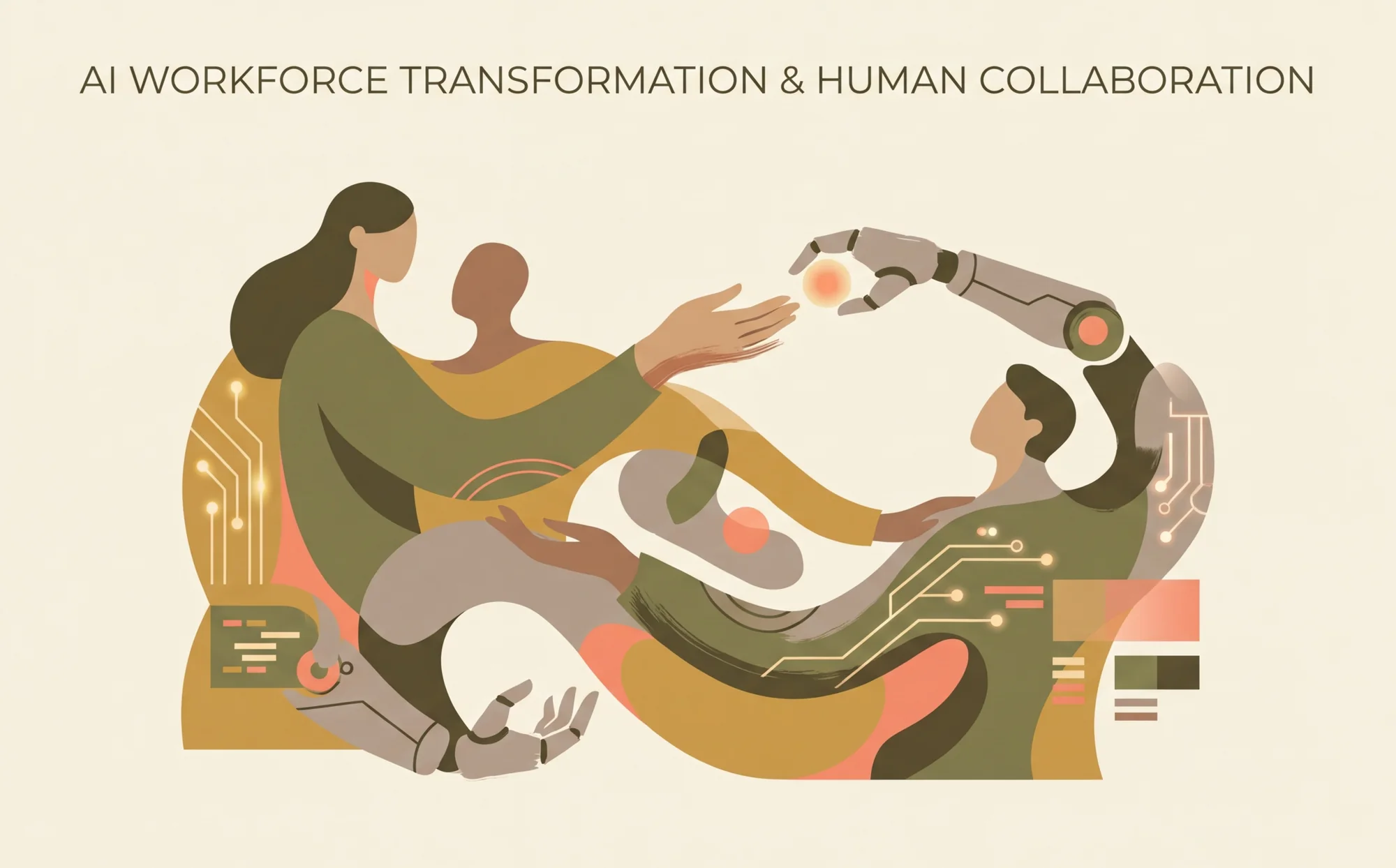
Unlock the future of work with strategies for AI workforce transformation, human-AI collaboration, and designing roles with AI for peak organizational performance.