Supercharge Your Workflow: How to Boost AI Engineering Team Efficiency for Unmatched Speed and Quality
What if your development teams could increase their productivity by up to 55%? This isn't a hypothetical goal but an emerging reality, driven by the strategic integration of AI in software development. The conversation is no longer about if AI will impact software creation, but how to harness it for maximum effect.
The journey toward superior AI engineering team efficiency begins with a fundamental shift in perspective. It requires moving beyond viewing AI as a collection of disparate tools and embracing it as an integrated platform that augments human ingenuity. For CTOs, product managers, and developers, this evolution presents a powerful opportunity to automate mundane tasks, uncover insights from complex codebases, and build better software faster.
This article explores the practical strategies for achieving this transformation. We will dissect how to boost development speed with AI, detail methodologies for AI-driven software quality improvement, and examine how these advancements reshape modern agile frameworks. By understanding these components, your organization can build a robust foundation for enhancing engineering productivity AI and securing a decisive advantage.
Redefining the Development Lifecycle with AI Integration
The traditional software development lifecycle, while structured, often contains bottlenecks ripe for optimization. Integrating AI fundamentally re-architects these workflows, transforming linear processes into a dynamic, intelligent system. A recent industry survey found that 70% of high-performing engineering organizations are actively implementing AI in software development, signaling a clear market trend.
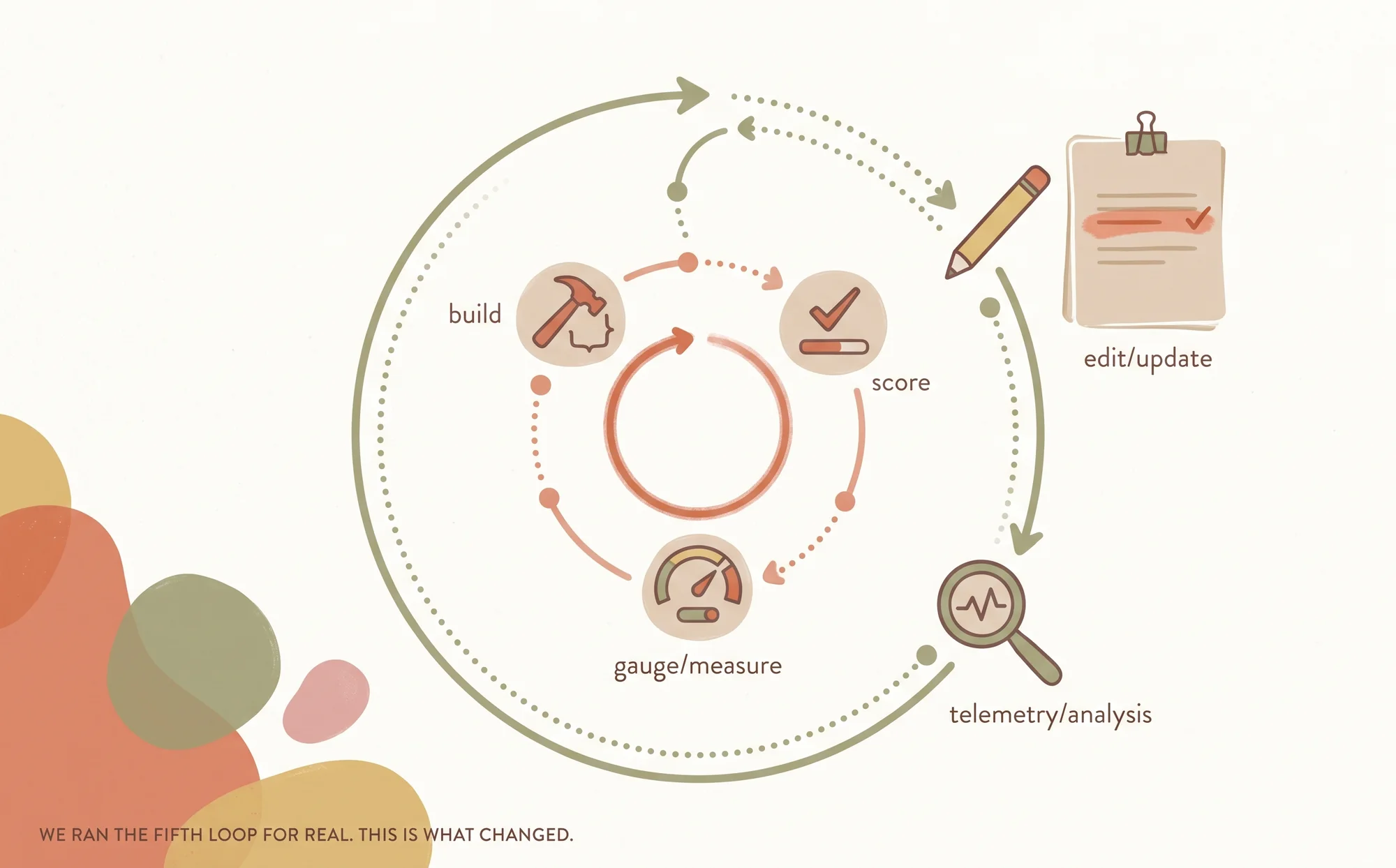
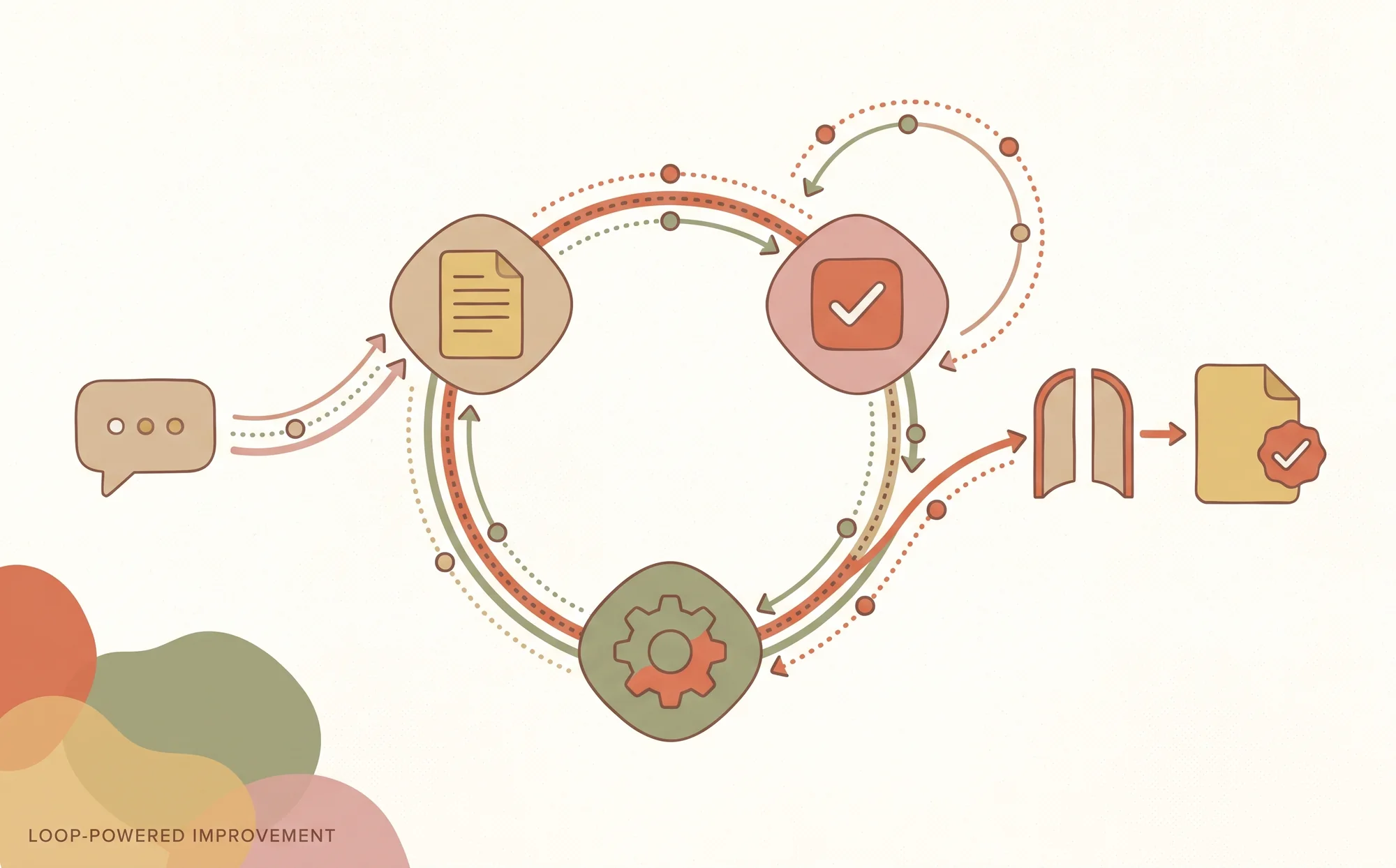
This is not merely about adopting a new tool; it's about fostering a mindset where data-driven insights guide every phase, from planning to deployment. When AI is woven into the fabric of development, it creates a feedback loop that continuously refines processes. The result is a more resilient and adaptive system where the focus on AI engineering team efficiency becomes a cultural norm, not just a technical objective.
How to Boost Development Speed with AI: From Concept to Code
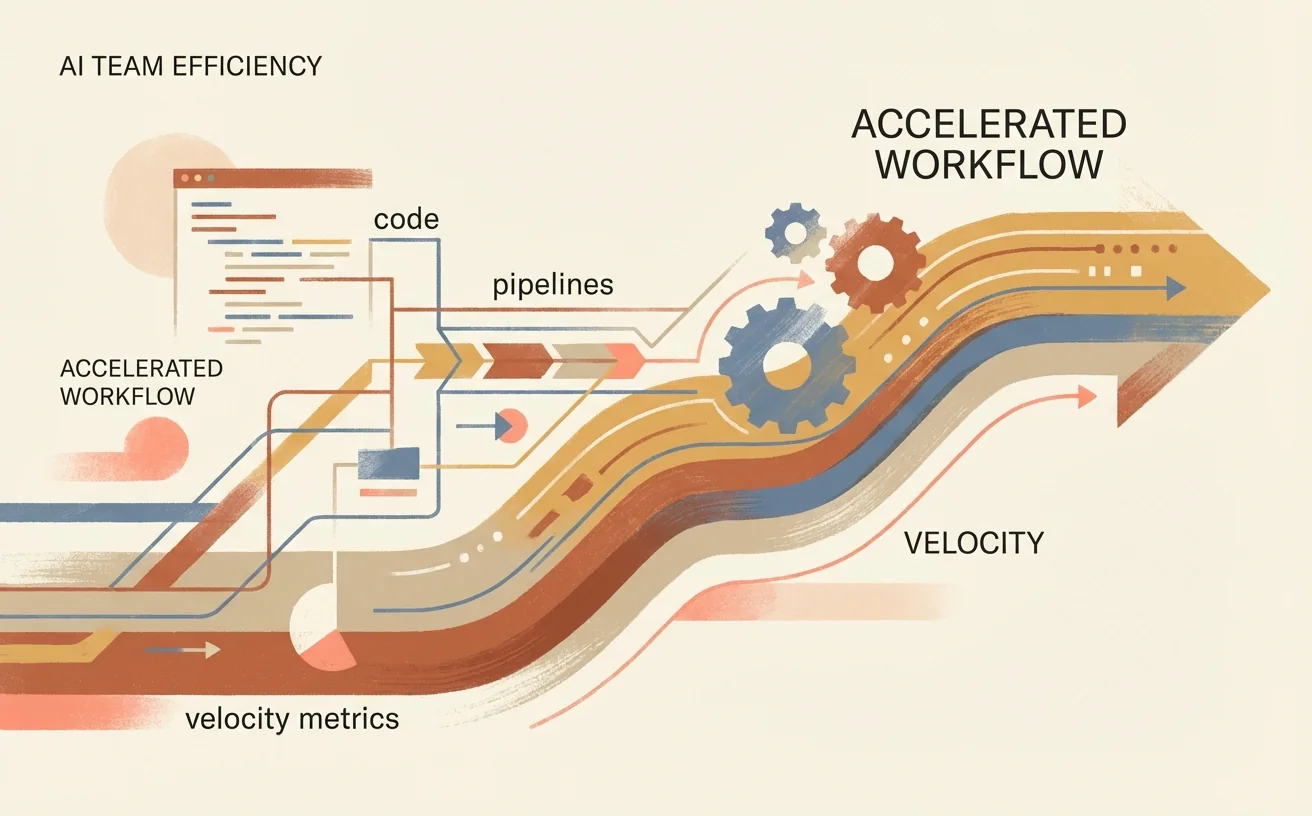
Speed is a critical currency in the digital economy, but it cannot come at the expense of stability. AI offers a powerful solution by accelerating development without compromising quality. The key is targeting high-effort, low-creativity tasks, thereby liberating developers to focus on complex problem-solving and innovation. This strategic automation is a cornerstone of AI engineering team efficiency.
AI-Powered Code Generation and Completion
Modern AI coding assistants, such as GitHub Copilot, have become indispensable partners for developers. These tools analyze the context of existing code to suggest and generate entire functions, boilerplate code, and complex algorithms in seconds. Research shows that these AI-powered tools can write up to 40% of a developer's code, and other studies have found developers using AI tools completed tasks 21% faster. These figures directly translate to accelerated project timelines and are central to enhancing engineering productivity AI.
Intelligent Automation of Repetitive Tasks
Beyond code generation, AI excels at automating other time-consuming aspects of development. This includes automatically generating unit tests based on code changes, creating initial drafts of technical documentation, and even translating natural language user stories into technical specifications. By offloading these responsibilities, AI ensures developer focus remains on high-value work, a critical factor for boosting AI engineering team efficiency.
Achieving AI-Driven Software Quality Improvement
Traditionally, software quality assurance has been a reactive process, focused on finding bugs after they have been introduced. AI flips this model, enabling a proactive approach to quality. By leveraging machine learning models trained on vast datasets, teams can identify and remediate potential issues before they reach production. This focus on prevention is vital for any strategy aimed at AI-driven software quality improvement.
Proactive Bug Detection and Code Analysis
AI algorithms can analyze code commits in real time, comparing new code against established patterns to predict the likelihood of bugs. These systems can flag complex logical errors, potential race conditions, and security vulnerabilities a human reviewer might miss. Teams adopting these tools report a 35% reduction in time spent on debugging, a significant gain that directly contributes to AI engineering team efficiency. This ability to improve code quality with artificial intelligence is a game-changer for any development team.
Smarter Code Reviews and Refactoring
The code review process, while essential, can be a significant bottleneck. AI-driven review assistants augment this process by providing automated feedback on style, complexity, and adherence to best practices. Statistics show these AI assistants can identify 20% more critical issues than manual reviews alone. This not only strengthens codebase quality but also streamlines the entire review cycle, further enhancing AI engineering team efficiency.
Optimizing Agile Processes with AI Tools
The principles of agile development—flexibility, iteration, and rapid feedback—are perfectly complemented by AI's predictive capabilities. Using agile development with AI tools creates a more intelligent and data-informed environment by integrating AI into project management platforms.
For instance, AI can analyze historical sprint data to predict future team velocity and identify potential roadblocks with greater accuracy than manual estimates. It can also assist in backlog grooming by analyzing user feedback to prioritize features that will deliver the most value. Agile teams using AI for these tasks have been shown to complete features up to 25% faster, a clear demonstration of improved AI engineering team efficiency.
A FinTech company provides a prime example by deploying an AI-powered project management tool. The system analyzed thousands of customer feedback tickets, automatically grouping them into themes, drafting user stories, and predicting development effort. This reduced product manager overhead by 30% and improved the team's ability to respond to market needs, showcasing a practical application of AI engineering team efficiency.
[Image: A chart illustrating the predicted vs. actual completion time for a software sprint, with the AI-powered prediction being more accurate.]
The Strategic Impact of Enhancing Engineering Productivity with AI
The benefits of investing in AI engineering team efficiency extend far beyond tactical metrics. When developers are freed from repetitive work and empowered with intelligent tools, they have more cognitive capacity for innovation. This shift from maintenance to creation is where true competitive advantage is born. The strategic goal is to create an environment where engineering talent is fully leveraged.
Consider an e-commerce platform that integrated an AI-powered security scanner into its CI/CD pipeline. The tool learned the application's normal behavior and began flagging subtle anomalies indicating novel security threats. This led to the pre-deployment discovery of a critical vulnerability that could have resulted in a major data breach. This is a powerful example of how efforts to improve code quality with artificial intelligence yield strategic business outcomes and reinforce the value of proactive security.
The Future is Augmented: Your Next Steps
The integration of artificial intelligence into software engineering is a present-day imperative for any organization looking to lead its industry. The evidence is clear: AI-augmented teams are faster, more innovative, and produce higher-quality work. The path to achieving exceptional AI engineering team efficiency is paved with strategic tool adoption, process re-engineering, and a culture that embraces intelligent automation. The goal is a symbiotic relationship where human creativity is amplified by machine intelligence.
To begin this journey, focus on these key takeaways:
- Accelerate with Automation: AI tools directly boost development speed with AI by taking over code generation and unit testing, allowing developers to concentrate on strategic challenges.
- Prioritize Proactive Quality: True AI-driven software quality improvement comes from using intelligent systems to detect bugs and vulnerabilities before they are introduced, drastically reducing debugging time.
- Embrace Intelligent Agility: Integrating agile development with AI tools into your project management enhances predictability, optimizes resource allocation, and fosters a more data-driven approach.
The era of AI-driven development has arrived. The organizations that thrive will be those that thoughtfully integrate these technologies to unlock the full potential of their engineering talent.
Consider exploring how these AI-driven strategies can be integrated into your development lifecycle. Learn more about The Business Case for AI in DevOps and discover our insights on Building a Future-Ready Tech Stack.